
Integrating Legacy Systems with Modern Applications
Legacy systems — mainframes, old ERP, custom COBOL — often lack modern APIs. Replacing them is expensive and risky. Integration lets you connect legacy to new apps without full replacement. Here's how.

Table of Contents
- Legacy Integration Challenges
- Integration Patterns
- File-Based Integration
- Adapter Layer
- When to Modernize Instead
- Frequently Asked Questions
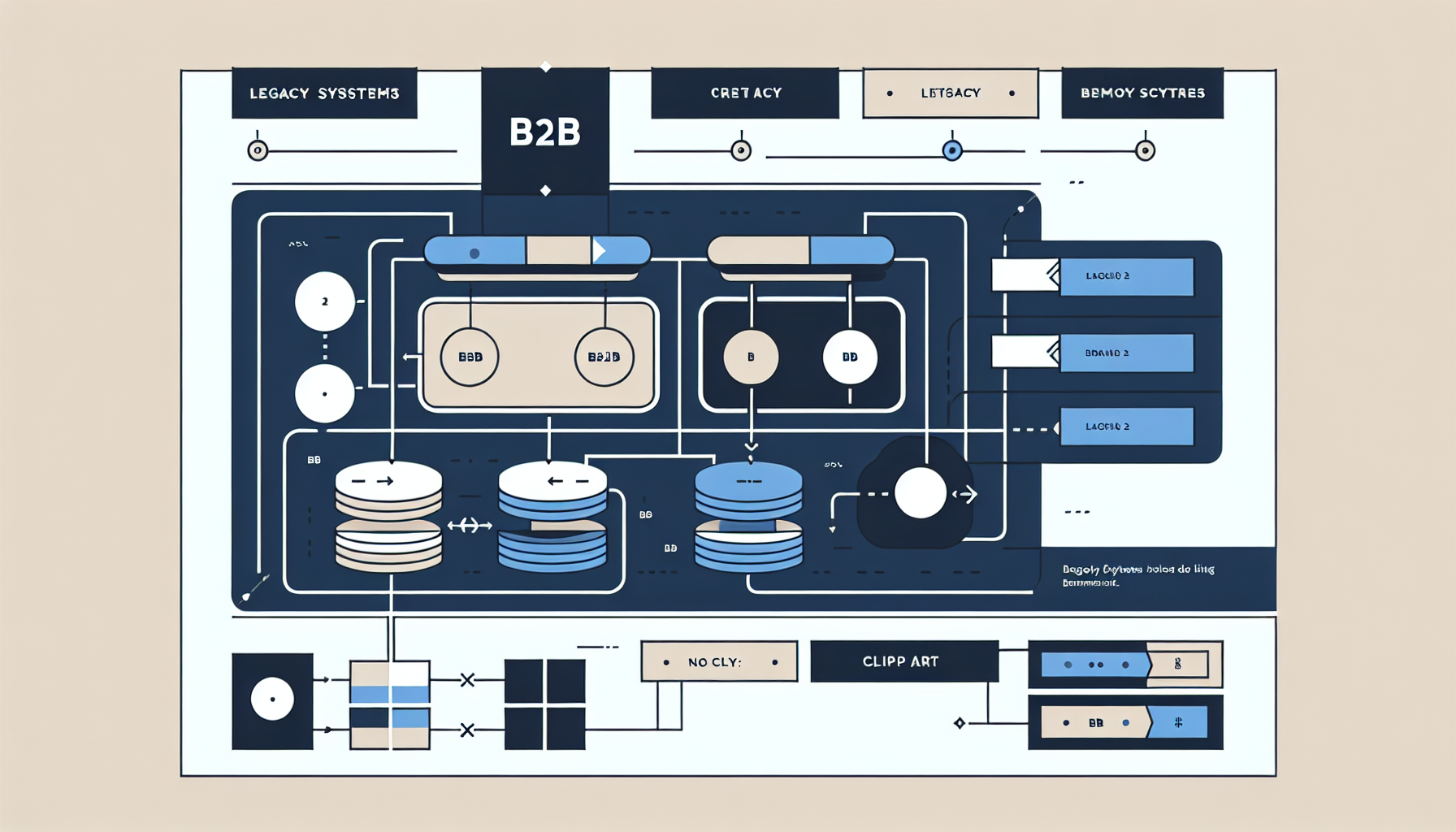
Legacy Integration Challenges
- No REST API — old protocols (SOAP, FTP, file drop)
- Proprietary formats — custom file layouts, EDI
- Documentation gaps — original devs gone
- Performance — batch-oriented, not real-time
Integration Patterns
File-based: Legacy produces/consumes files (CSV, XML, EDI). Modern app reads/writes. Scheduled batch. Adapter: Middleware translates between legacy protocol and REST. Database: Read from legacy DB (if accessible). Use with caution — avoid tight coupling.
File-Based Integration
Legacy exports to shared folder; modern app picks up. Or reverse. Simple, reliable. Latency: batch window (e.g., nightly). For real-time, need adapter or DB access.
Adapter Layer
Build a service that speaks to legacy (screen scrape, JDBC, proprietary API) and exposes REST to modern apps. Encapsulates legacy complexity. See our Enterprise Integration service.
When to Modernize Instead
Integration works when legacy is stable. If it's failing, unsupported, or blocking growth — consider modernization or migration.
Frequently Asked Questions
How long does legacy integration take?
File-based: 2–4 weeks. Adapter with undocumented legacy: 2–4 months. Depends on legacy complexity and documentation.