Modernizing Enterprise Software Without Disruption
Legacy systems hold the business back — but big-bang replacement is risky. Modernization can be incremental: strangle the old system, migrate piece by piece, avoid disruption. Here's how.
Table of Contents
- Strangler Fig Pattern
- Incremental Migration
- API-First Modernization
- Managing Risk
- Frequently Asked Questions
Strangler Fig Pattern
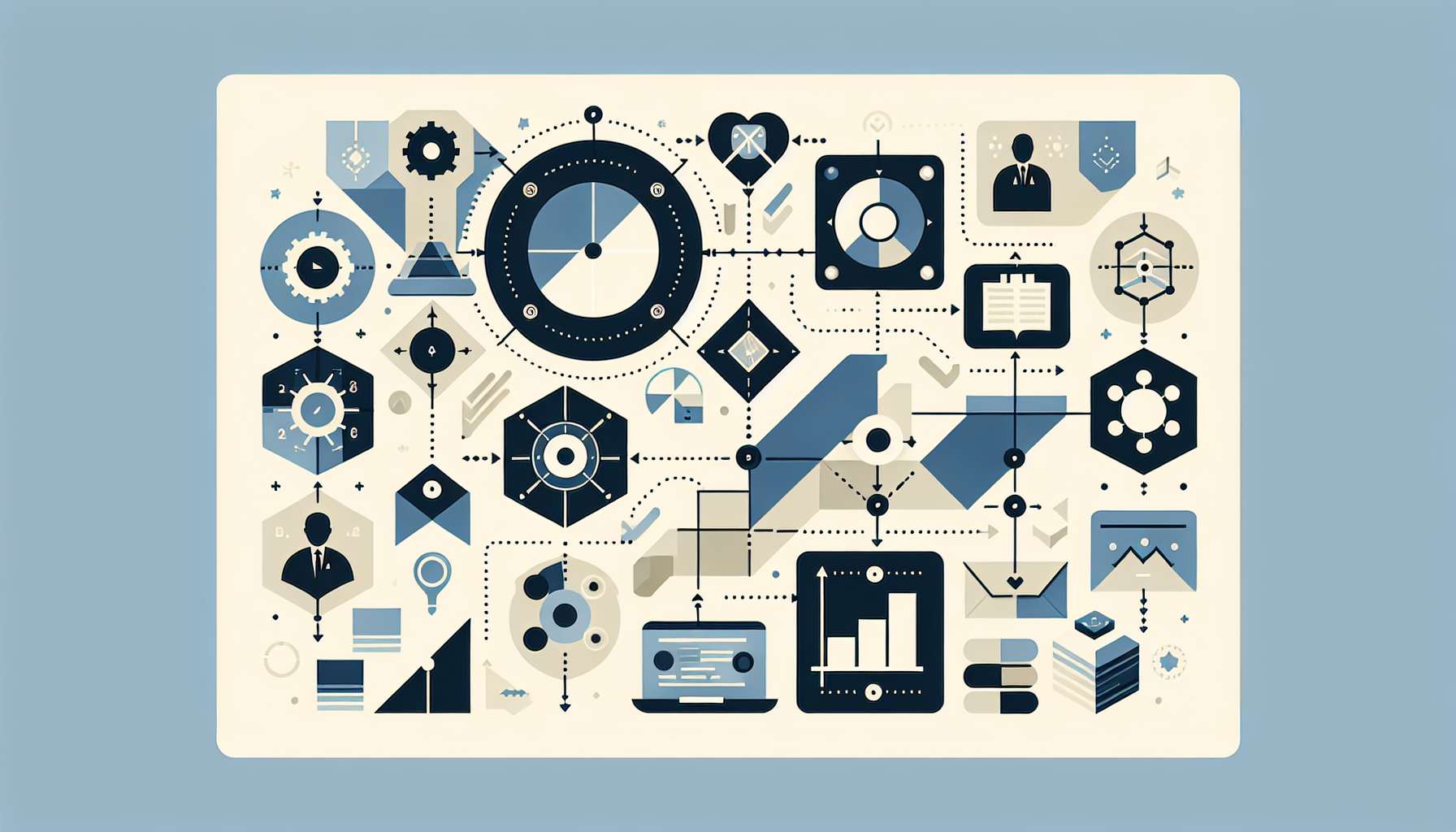
Build new system alongside old. Route new requests to new system; old requests still hit legacy. Gradually migrate functionality. Eventually legacy is "strangled" — no traffic left. See our Legacy Migration guide.
Incremental Migration
- Migrate by module — start with lowest-risk, highest-value
- Parallel run — both systems live, compare results
- Feature flags — switch users gradually
- Data migration in phases — not all at once
API-First Modernization
Expose legacy via API (adapter layer). New apps consume API. When you replace legacy, API contract stays — consumers unchanged. Decouples modernization from consumers.
Managing Risk
Rollback plan for each phase. Test thoroughly. Don't migrate during peak. Have support ready. Document decisions.
Frequently Asked Questions
How long does modernization take?
Months to years for large systems. Incremental approach means you see value early — first module in 3–6 months — while full migration may take 1–2 years.