
Startup MVP Development Guide: From Idea to Launch in 8-12 Weeks
An MVP validates your idea with real users — fast. This guide covers scope, timeline, cost, what to include (and defer), common mistakes, and how to avoid the pitfalls that kill startup MVPs. Based on 20+ MVPs we've launched for funded startups.
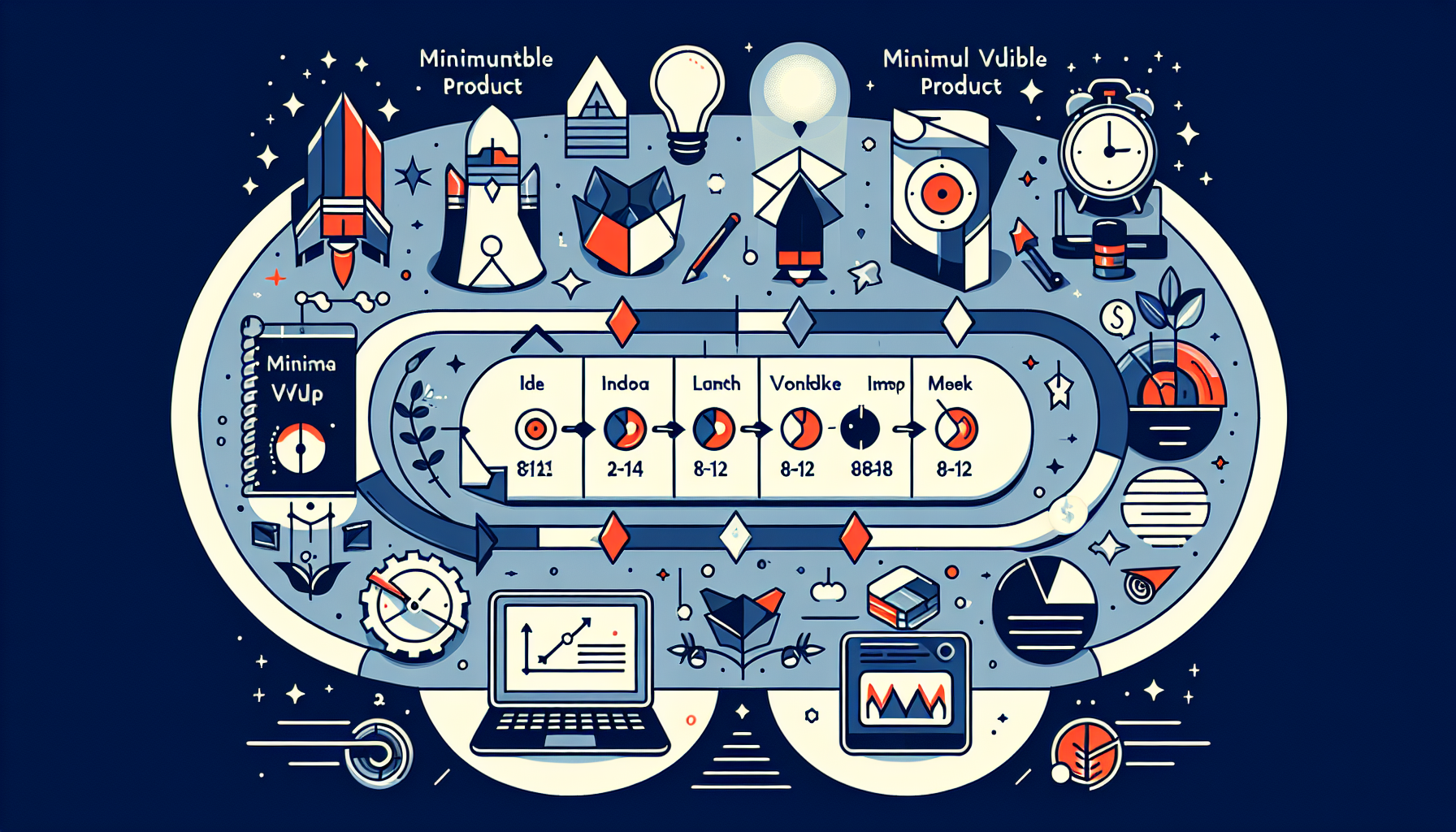
Table of Contents
- Quick Stats
- What Belongs in an MVP (And What Doesn't)
- MVP Development Cost Breakdown
- Common MVP Mistakes to Avoid
- Validate Before You Build
- Real Startup MVPs We've Built
- Frequently Asked Questions
8-12 weeks
Typical MVP timeline
$25K-75K
MVP cost range
3-5
Core features max
What Belongs in an MVP (And What Doesn't)
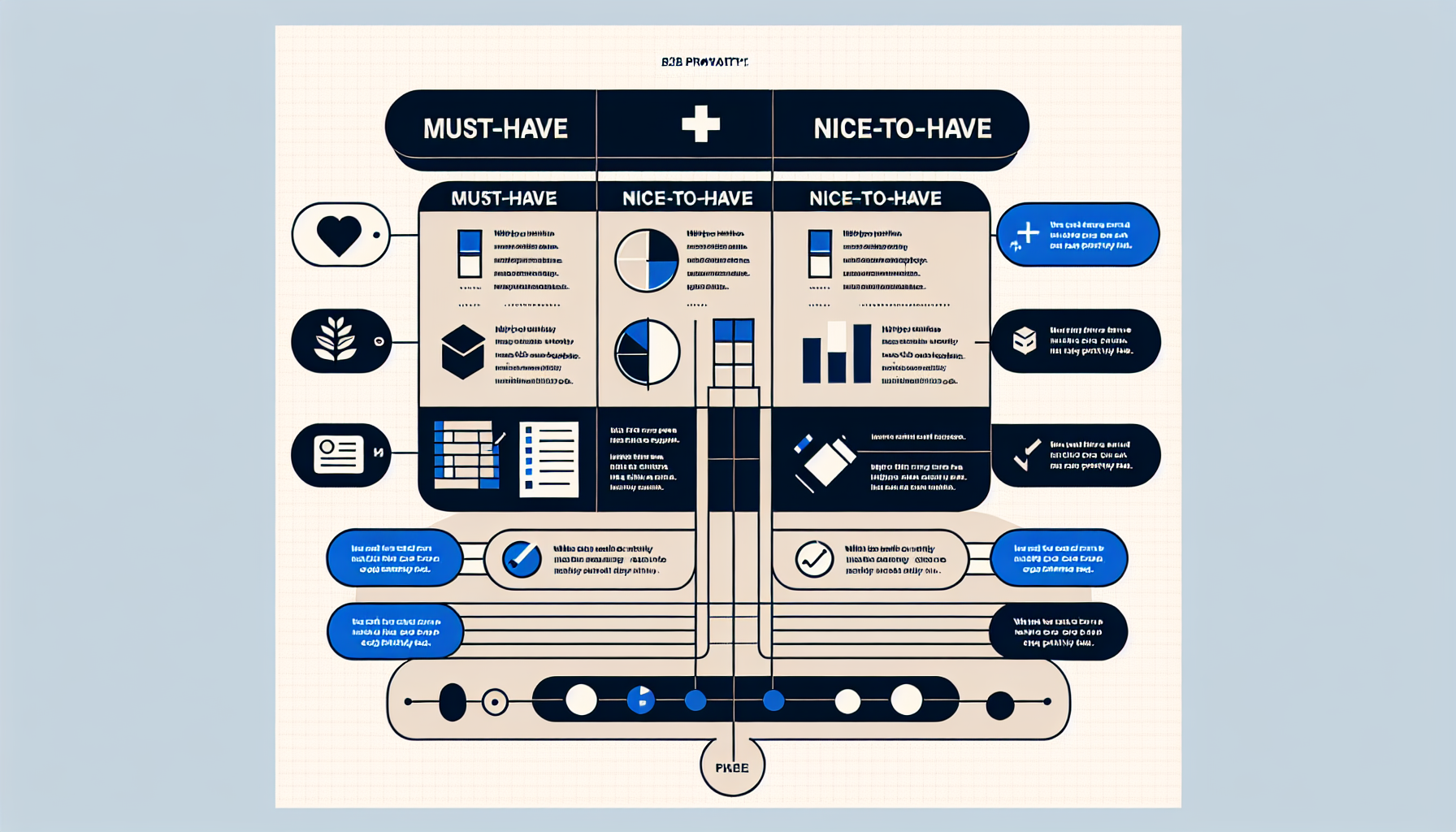
The MVP has one job: validate that people will use your product. Everything else is noise. Include the minimum to deliver that core value. Defer everything else.
Include
- One core workflow that delivers value
- User auth (login/signup)
- Basic payment (Stripe)
- Simple admin to manage users
- Analytics (basic events)
Defer
- ✗ Advanced analytics & dashboards
- ✗ Mobile app (web first)
- ✗ Integrations (add after validation)
- ✗ Custom design (use UI library)
- ✗ Scale for 10K users (optimize later)
MVP Development Cost Breakdown
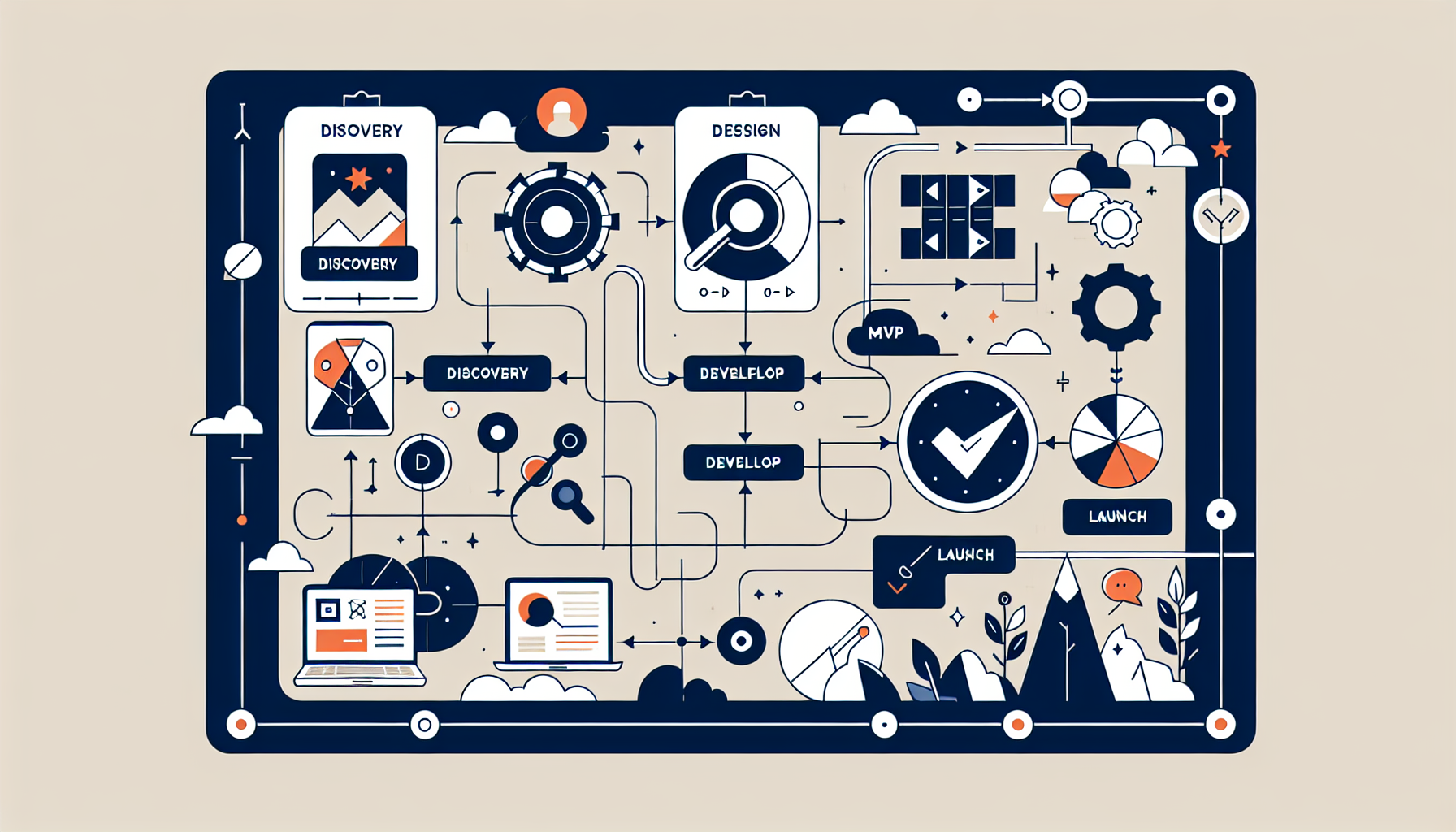
Most startup MVPs land in the $25,000 – $75,000 range. $25-35K gets you a focused single-workflow MVP: one core feature, auth, basic payment, simple admin. $50-75K adds billing, team features, polish, and maybe a mobile-responsive PWA.
See our web app cost guide and SaaS cost guide for detail. The key: scope tightly. Every feature you add pushes cost and timeline. Stick to 3-5 core features.
Common MVP Mistakes to Avoid
- Scope creep — Adding "just one more feature" delays launch. Stick to 3-5 core features. Say no to everything else until you have users.
- Building before validating — Talk to 10+ potential users first. No-code prototype (Airtable, Figma) if possible. Validate the problem and solution before writing code.
- Skipping design — Bad UX kills conversion. Budget 1-2 weeks for UX. Use a UI library (Shadcn, Tailwind) to save time, but don't skip user flows.
- No technical co-founder — Hire an agency or CTO-for-hire. Don't outsource to cheap freelancers. MVP quality matters for fundraising and early users.
- Optimizing for scale too early — Build for 100 users first. Optimize for 10K when you have 10K users.
Validate Before You Build
Before spending $25K on an MVP, validate. Talk to 10+ potential users. Ask: Would you pay for this? What's the alternative today? Build a no-code prototype (Airtable, Notion, Figma) and get 5 people to use it. If they don't engage, fix the concept before coding.
Many founders skip this and build something nobody wants. The best MVPs come from founders who validated first. See our Build vs Buy guide for when to use no-code vs custom.
Real Startup MVPs We've Built
Our clients have used MVPs to validate, raise seed rounds, and scale. FinFlow launched in 8 weeks and reduced churn by 40%. MediSync went from idea to paying customers in 10 weeks. The pattern: tight scope, 8-12 week timeline, launch and iterate.
Frequently Asked Questions
Web app or mobile app first?
Web first. Faster to build, easier to iterate. Mobile adds 4-8 weeks and doubles cost. Add a native app when you have traction and a clear mobile use case.
Agency or in-house team?
Agency for MVP: faster, fixed scope, no hiring. In-house for scale: when you have product-market fit and need full-time velocity. Many startups use an agency for MVP, then hire as they scale.
What if we need to pivot?
MVPs are built to learn. If user feedback says pivot, pivot. Don't double down on a bad idea. The codebase can often be repurposed — auth, payment, admin stay; the core workflow changes.
Ready to Build Your MVP?
We've launched 20+ startup MVPs. Get a timeline and quote for your idea.
Get Free Estimate