
SaaS Architecture: 10 Patterns for Scalable Applications
Building SaaS that scales requires the right architecture from day one. Multi-tenancy, database design, API patterns, and deployment — these decisions compound. Here are 10 patterns we use for scalable SaaS applications.

Table of Contents
- 1. Multi-Tenancy Patterns
- 2. Database Design
- 3. API-First Design
- 4. Authentication & Tenancy
- 5. Caching Strategy
- 6. Background Jobs & Queues
- 7. Start Monolith, Extract Later
- 8. Deployment & CI/CD
- 9. Observability
- 10. Security by Default
- Frequently Asked Questions
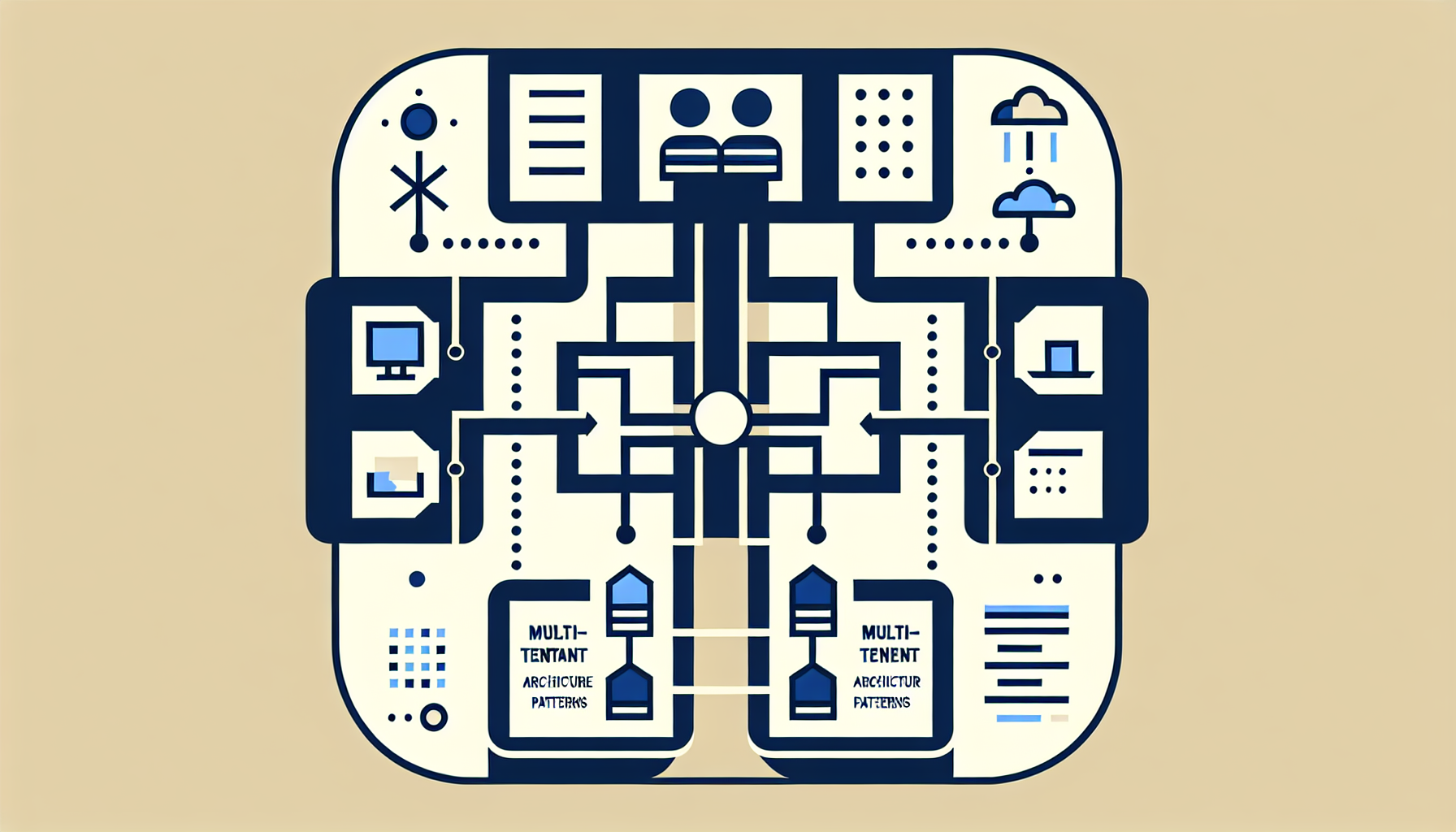
1. Multi-Tenancy Patterns
SaaS serves multiple customers (tenants) from one codebase. Three approaches:
- Shared database, tenant_id column — simplest, good for most B2B SaaS. Every table has tenant_id. Row-level security enforces isolation.
- Schema per tenant — one DB, separate schema per tenant. Better isolation, harder to manage at scale.
- Database per tenant — full isolation. For enterprises with compliance needs. Higher operational cost.
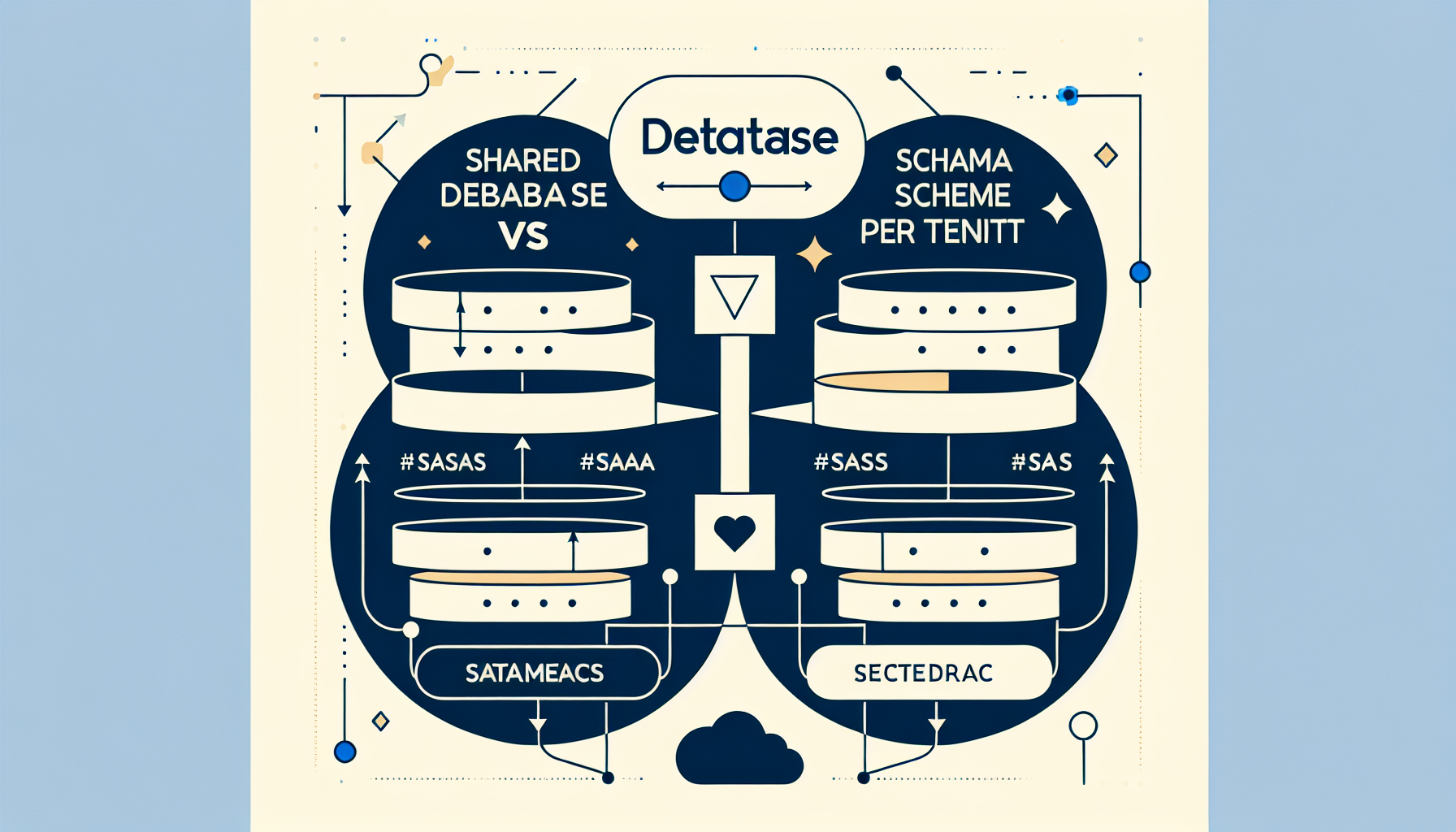
2. Database Design
Use PostgreSQL or MySQL for relational data. Add Redis for sessions and caching. For analytics, consider a separate data warehouse (BigQuery, Snowflake). Index tenant_id on every tenant-scoped table. See our Database Design guide.
3. API-First Design
Build APIs that the frontend consumes. REST or GraphQL — both work. Version your API (/v1/). Use consistent error formats. Document with OpenAPI. This enables future mobile apps, integrations, and white-label without rewriting.
4. Authentication & Tenancy
JWT or session-based auth. Include tenant_id in the token or session. Every request validates tenant access. Use SSO (SAML, OIDC) for enterprise. See our Authentication guide.
5. Caching Strategy
Cache at multiple layers: CDN for static assets, Redis for API responses and sessions, database query cache. Invalidate on write. Cache keys should include tenant_id to avoid cross-tenant leaks.
6. Background Jobs & Queues
Offload email, exports, webhooks, and heavy processing to queues (Bull, Celery, SQS). Don't block HTTP requests. Use idempotency keys for critical jobs. Retry with exponential backoff.
7. Start Monolith, Extract Later
Don't start with microservices. A well-structured monolith (modular, clear boundaries) scales to millions of users. Extract services when you hit real scaling or team boundaries. See our Scalability guide.
8. Deployment & CI/CD
Deploy to cloud (AWS, GCP, Vercel). Use containers (Docker) for consistency. CI/CD: test on every PR, deploy to staging, then production. Blue-green or canary for zero-downtime releases.
9. Observability
Logs, metrics, traces. Use structured logging (JSON). Track latency, error rates, tenant-level metrics. Alert on SLO breaches. Tools: Datadog, New Relic, or open-source (Prometheus + Grafana).
10. Security by Default
HTTPS everywhere. Input validation. SQL injection prevention (parameterized queries). Rate limiting per tenant. Audit logs for sensitive actions. See our Security Checklist.
Frequently Asked Questions
Monolith vs microservices for SaaS?
Start monolith. Extract when you have clear boundaries (e.g., billing service, notification service) or when a team owns a distinct domain. Premature microservices add complexity without benefit.
How do we handle tenant data isolation?
Shared DB + tenant_id: every query filters by tenant_id. Use middleware or ORM scopes to enforce. Row-level security in PostgreSQL adds a second layer. Never trust client-supplied tenant_id — derive from auth.