
Driving User Adoption for New Custom Software
Great software fails if nobody uses it. Adoption is a project, not an afterthought. This guide covers training, champions, phased rollout, documentation, and how to measure and improve adoption — with lessons from our healthcare and logistics deployments.

Table of Contents
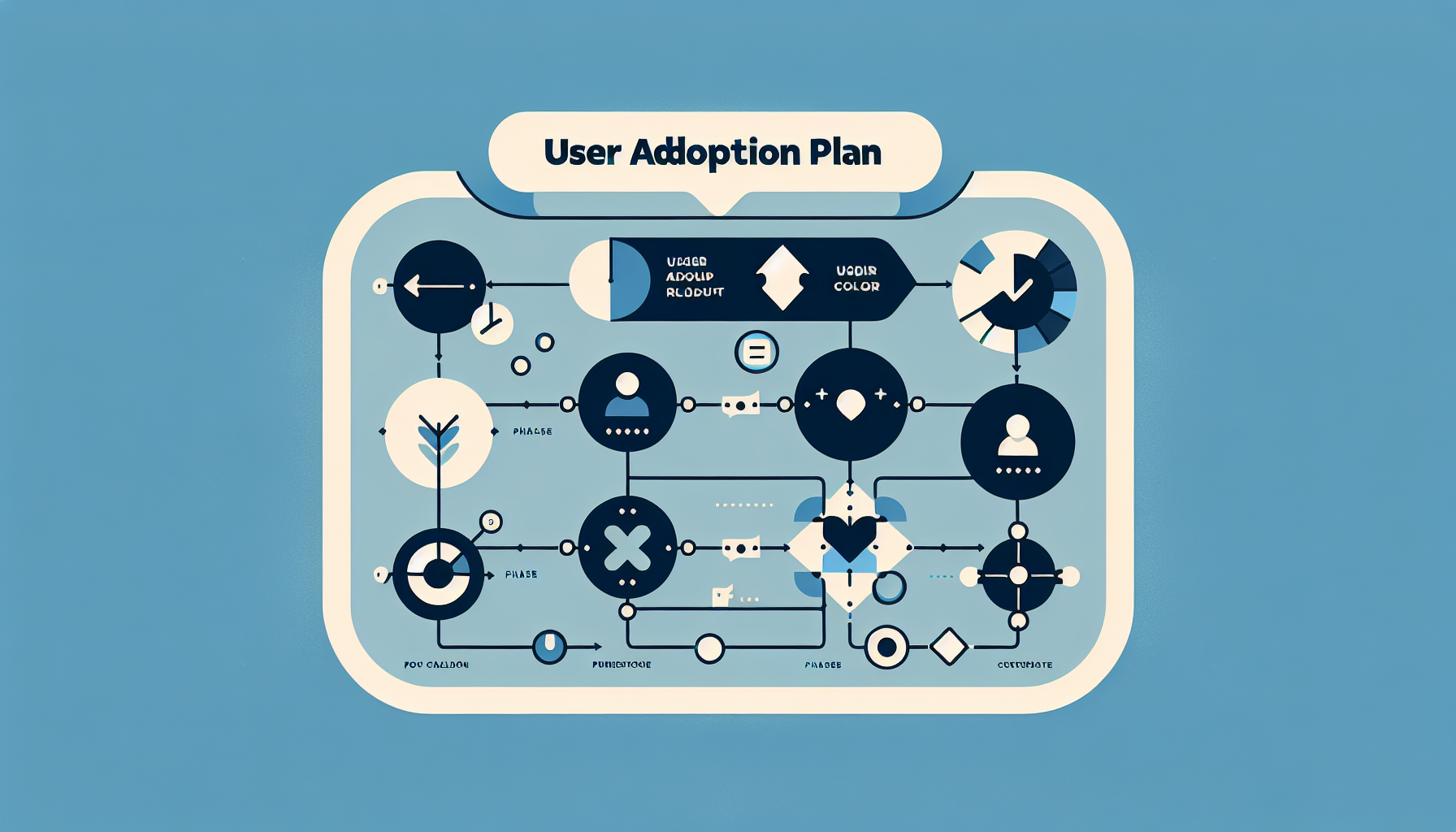
6 Adoption Tactics
Involve users in design (early feedback)
Include 2-3 power users in Discovery and Design. They'll spot UX issues and become champions.
Champions: power users who train others
Identify 1-2 champions per team. Train them first. They answer questions and model usage.
Phased rollout: pilot team first
Start with one team or department. Fix issues. Then expand. Don't roll out to everyone at once.
Documentation + short video tutorials
Written docs for reference. 2-5 min videos for key flows. People learn differently.
Support channel (Slack, email) for questions
Dedicated channel or email. Fast response. Reduces friction and builds confidence.
Measure usage and iterate
Track logins, key actions. Low usage? Find out why. Fix UX, add training, or simplify.
Phased Rollout Plan
Week 1-2: Pilot with 5-10 power users. Gather feedback. Fix critical issues. Week 3-4: Expand to one full team. Train, support. Week 5+: Roll out to remaining teams. Have a rollback plan if adoption is poor — sometimes the issue is UX, not training.
Handling Resistance
"We've always done it this way" is common. Address it by: (1) Showing the benefit — less manual work, fewer errors. (2) Involving resisters early — they often have valid concerns. (3) Making the old way harder — sunset spreadsheets, remove access. (4) Leadership buy-in — if the boss uses it, others follow. Our healthcare case study had 60% admin reduction — the benefit sold itself once people saw the time savings.
Frequently Asked Questions
How long until adoption stabilizes?
Typically 4-8 weeks. First 2 weeks: learning curve. Weeks 3-6: habit formation. By week 8, usage should be steady. If not, dig into why.
What if some users never adopt?
A small percentage may resist. Focus on the majority. For holdouts: one-on-one training, identify blockers. Sometimes the role needs a different workflow — we can add that.