
Testing Strategies for Custom Software Applications
Quality custom software needs a testing strategy. Not every line needs a test — but critical paths do. This guide covers unit, integration, E2E, manual QA, and what to expect from your development team. We ship with a regression suite so updates don't break existing features.
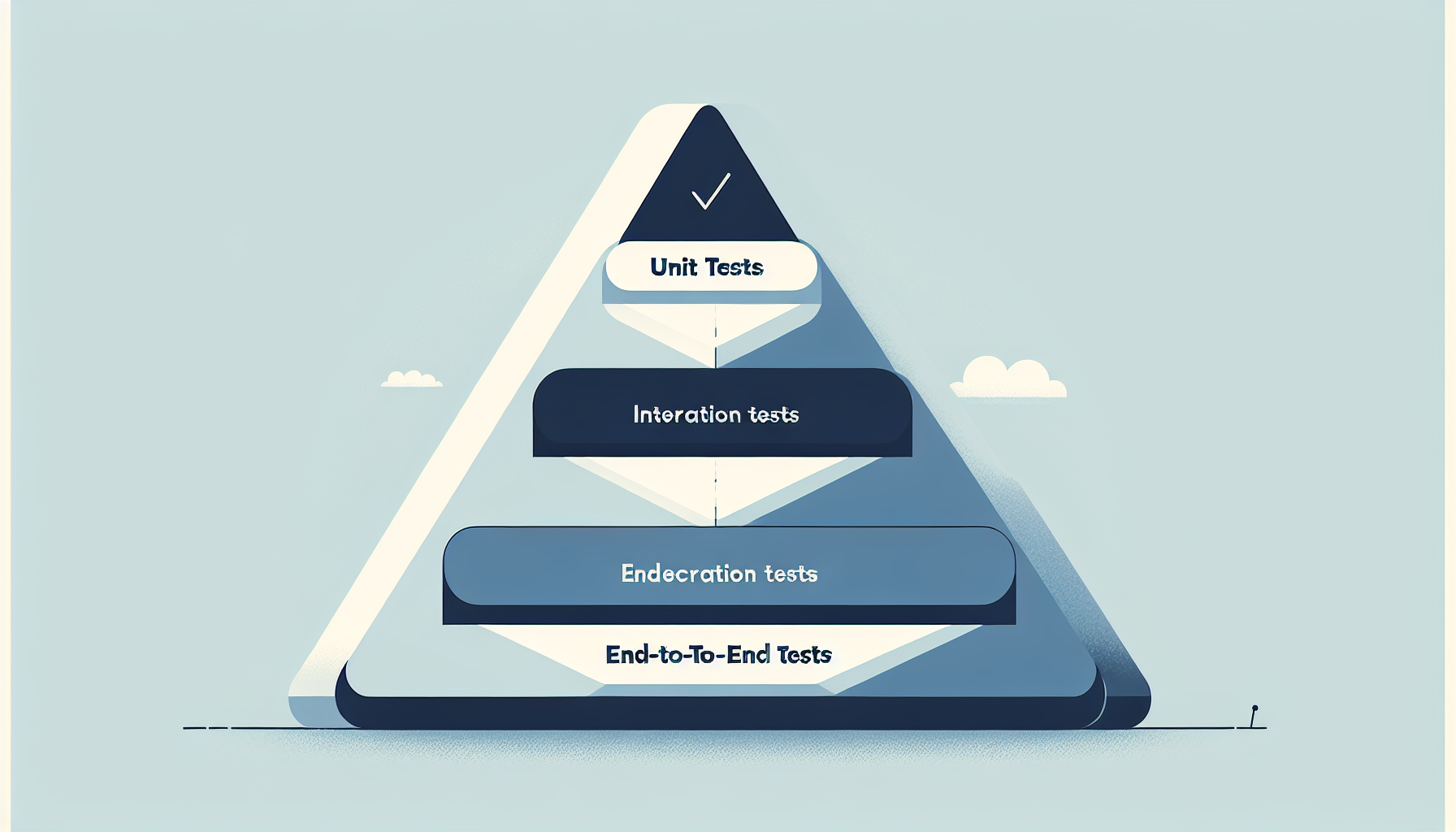
Table of Contents
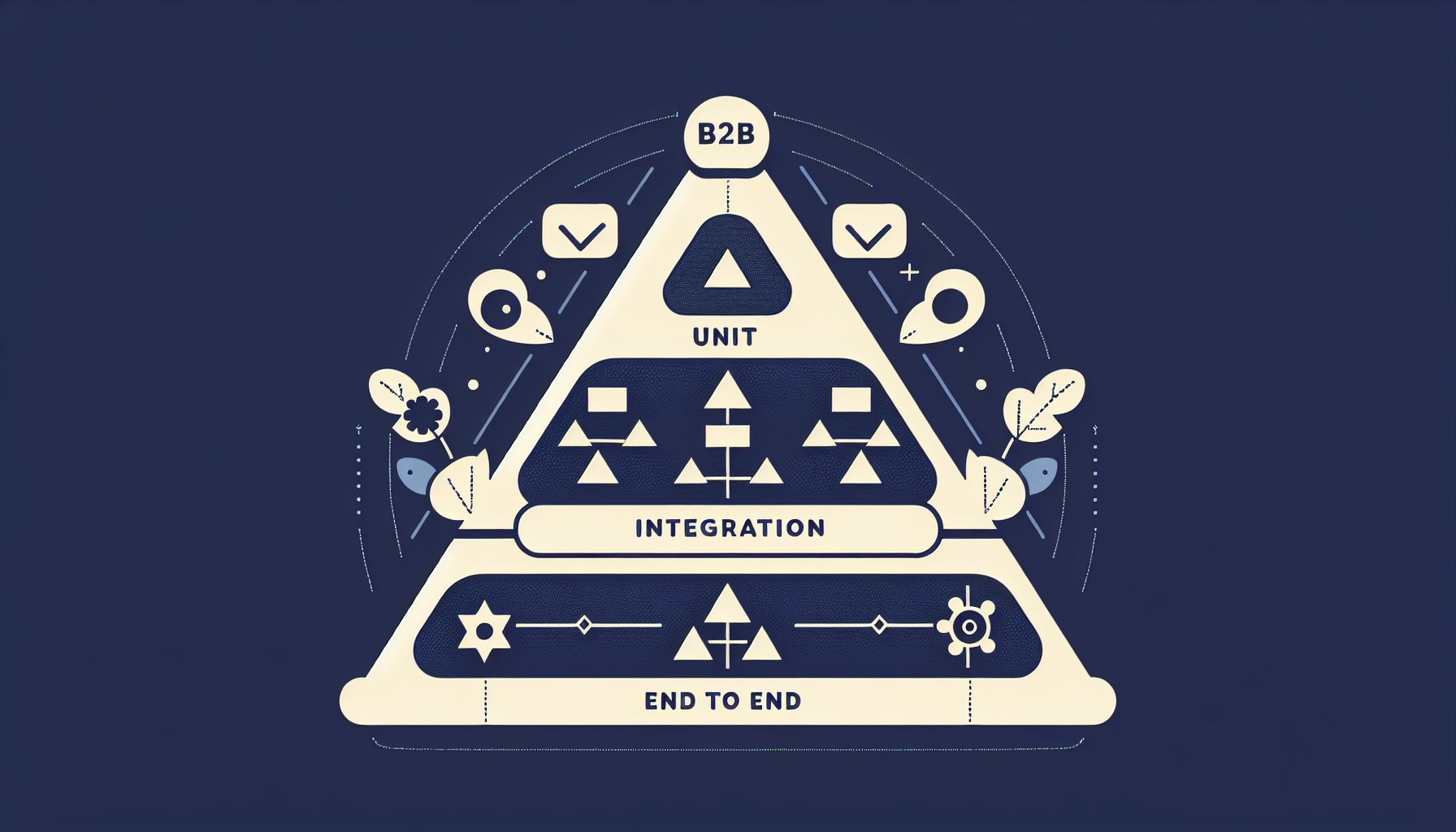
Testing Layers
Testing is layered. Unit tests are fast and numerous. E2E tests are slow but comprehensive. Balance both.
Unit tests for critical business logic
Calculations, validation, workflows. Fast feedback. Catch regressions early.
Integration tests for APIs and DB
Test API endpoints, database operations. Use test DB. Mock external services.
E2E tests for key user flows
Login, create record, submit. Critical paths. Slower but catch full-stack issues.
Manual QA before release
Human testing for edge cases, UX. Automated can't catch everything.
Regression suite for updates
Run before each release. Catch "we broke X when we fixed Y."
What to Expect
We aim for: unit tests on critical business logic (calculations, validation, workflows), integration tests on API endpoints, and E2E tests on 3-5 key user flows. Manual QA before each release. A regression suite runs in CI — if it passes, we're confident. We don't chase 100% coverage; we focus on high-impact paths. See our process for how testing fits into our delivery.
Frequently Asked Questions
Do you do load testing?
For high-traffic or critical systems: yes. We use k6, Artillery, or similar. For internal tools with fewer than 100 users, usually not needed. We can add it if you're scaling.
What about security testing?
We use dependency scanning (Dependabot, Snyk). For healthcare, fintech, or high-risk: we recommend a penetration test by a third party. We can coordinate.